Practical Uses of NFTs: From Banknotes to Tools in Real Life
Transform Banknotes into Tools with NFTs: From Verifiable Tickets to Custom Apparel. Discover its Impact in the Real World.

Practical Uses of NFTs: From Banknotes to Tools in Real Life
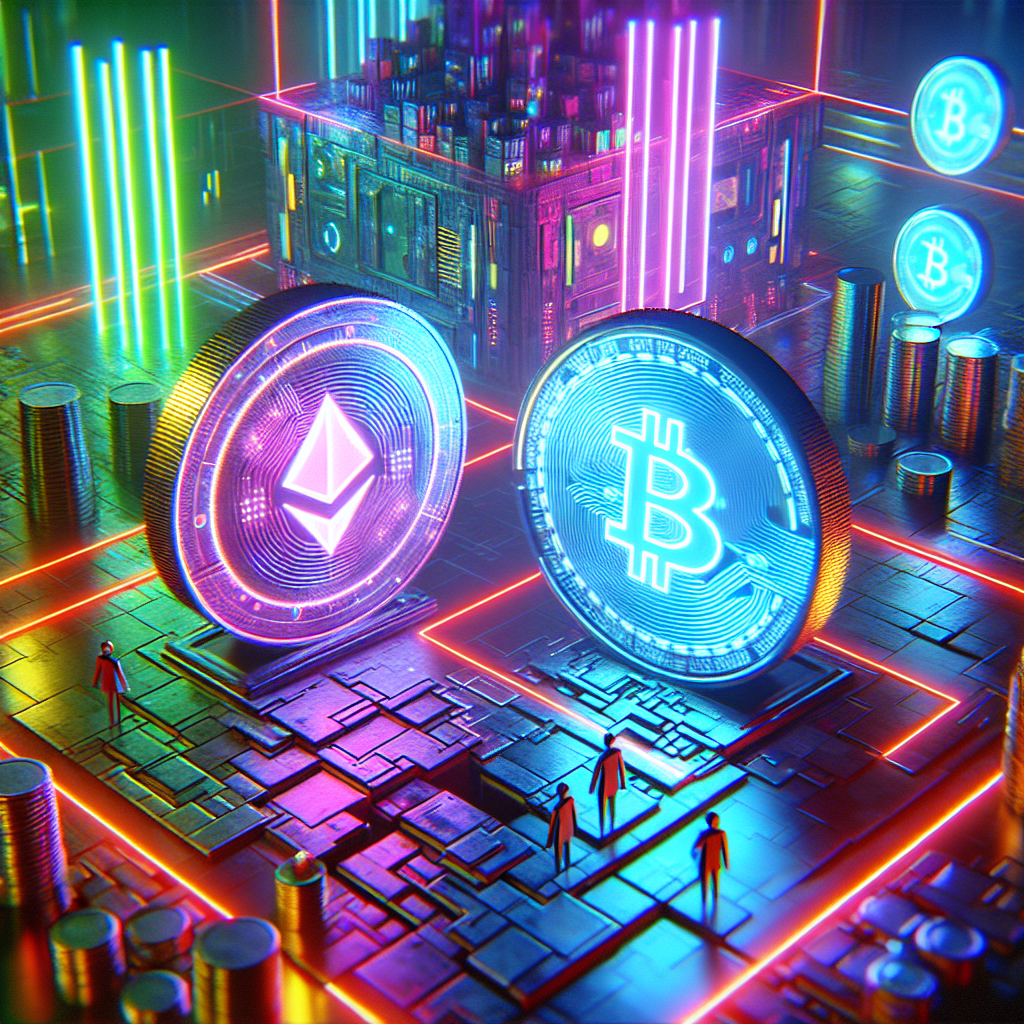
NFTs, or non-fungible tokens, have evolved significantly since their inception, where most people associated them solely with digital art and collectibles. Now, its application has expanded to multiple areas, offering
Transformation of Banknotes to Digital Tools
NFTs are digital certificates that prove the ownership or authenticity of an asset. The essence of NFTs lies in the fact that this proof lives on the blockchain, which means that it is impossible to counterfeit, delete or modify in a hidden way. Originally, its main use was for digital art, but the technology is proving equally useful for real-world elements that need transparent records. Here are some outstanding practical applications:
- Event Tickets: Each entry can be issued as an NFT, verified on-chain, and automatically updated when used. This eliminates illegal resale and simplifies transfers.
- Fashion and Custom Clothing: Luxury brands are introducing NFTs as “digital twins” that link each physical product to a blockchain record. This provides a complete history of origin, materials, and authenticity.
- Medicines and Supply Chains: By assigning NFTs to batches of medicines, manufacturers can track every step of the product, ensuring its legitimacy and aiding in the fight against counterfeiting.
- Membership and Loyalty Programs: An NFT can function as a digital loyalty card, automatically confirming the user’s benefits and upgrading with new rewards or members.
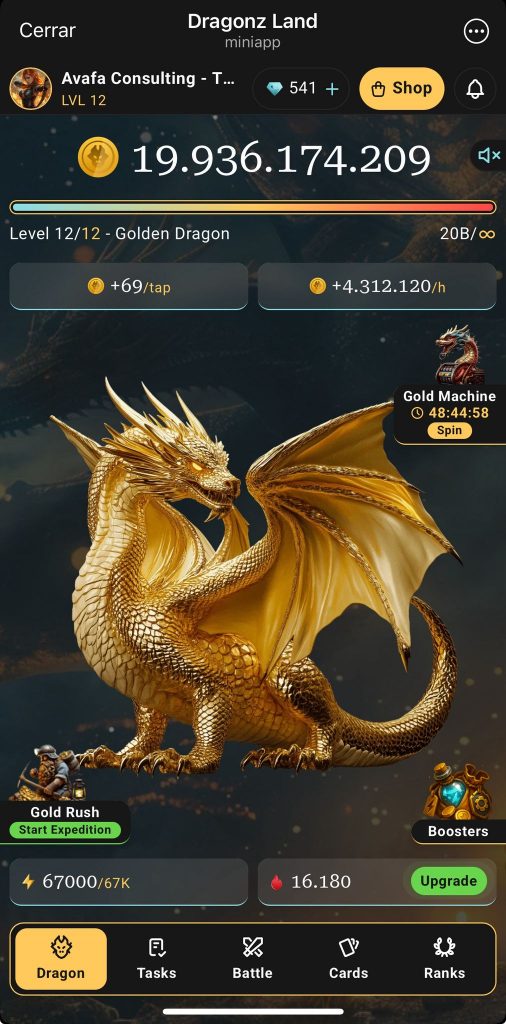
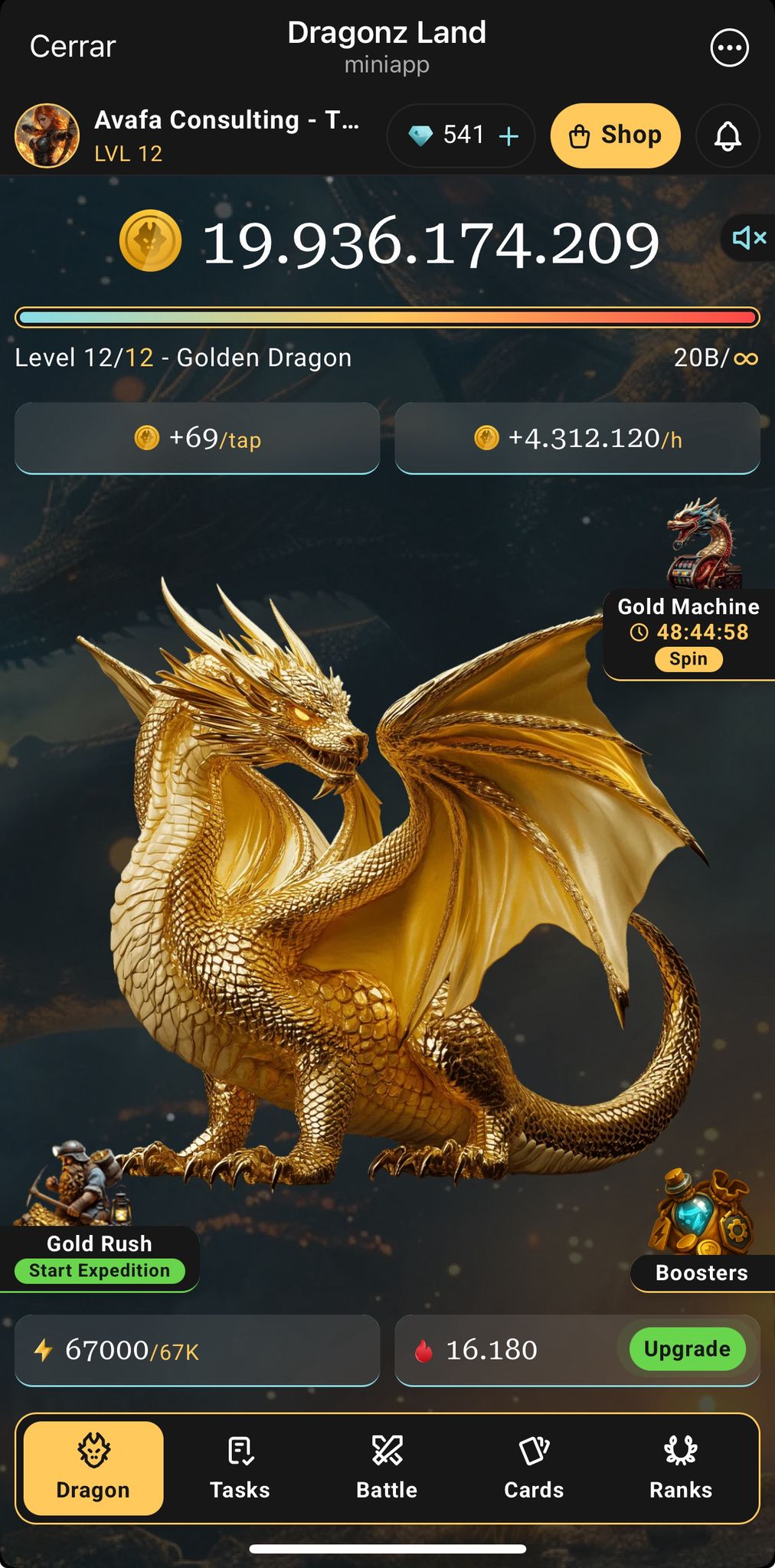
- Video Games and Collectibles: Dynamic NFTs integrate seamlessly into video games, allowing assets, such as weapons or characters, to evolve as the player progresses.
Real-World Examples
Let’s imagine a limited edition jacket from a popular brand. Next to the jacket, you would receive an NFT, not just as an image, but as a verified certificate that accompanies the product. If a year later you decide to sell it, the buyer could scan the QR code to confirm its authenticity and verified history on the chain. This process eliminates the need for paper certificates and acts as a useful digital tool.
Why This Evolution Is Relevant
The transition of NFTs from mere collectibles to digital infrastructure highlights a significant shift in user focus. Now users are interested in what NFTs can do, not just how they look. This transformation involves multiple benefits:
- Transparency: Users can verify the authenticity of products or tickets without relying on third parties.
- Portability: NFT assets reside in the user’s digital wallet, independent of specific companies or applications.
- Safety: Proprietary information may not be falsified or deleted.
- Customization: Dynamic NFTs adapt to the user’s use and achievements.
- Resale Value: Proof of authenticity facilitates trust between buyers and sellers in secondary markets.
An Integrated Future
as we move into a future where Web3 and artificial intelligence continue to evolve, NFTs are likely to become the digital identity layer of the real world. Over time, many users will start using NFTs without realizing the underlying technology, just as QR codes or digital tickets are today. These changes allow for an invisible, but effective, adoption of NFTs in everyday life.
The NFT revolution is already underway. By quietly integrating into our daily lives, they could become instrumental in validating not only art and collectibles, but also real-life experiences, products, and services.
Source: https://blog.ston.fi/from-tickets-to-tools-practical-nft-uses/
Note: This original content has been modified with AI and reviewed by a specialist.

Democratized Space Exploration through SERA at TON